


Best Color Combinations for Modern Websites
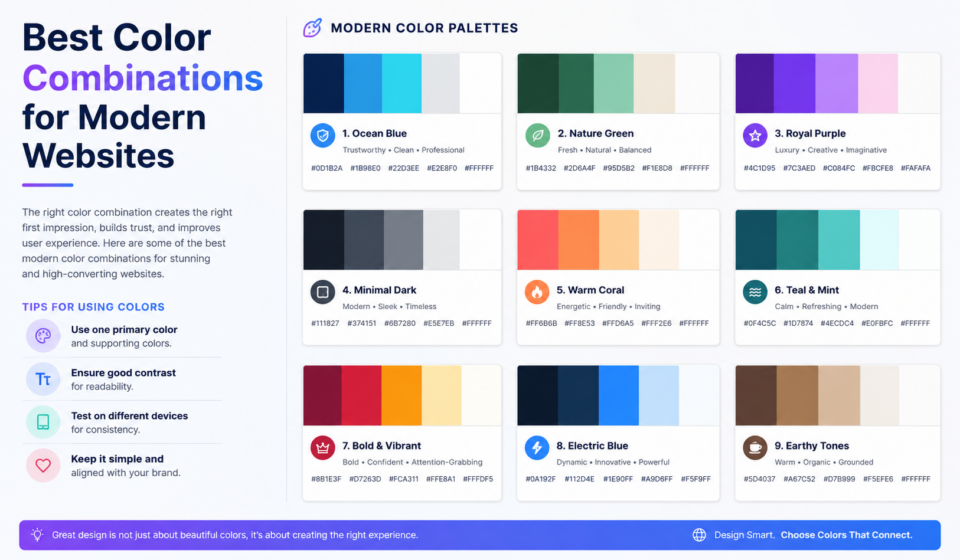
Color is one of the most important elements of modern web design. It influences user emotions, brand identity, readability, and conversion rates. A well-designed color scheme can make a website look professional, trustworthy, and engaging, while poor color choices can drive visitors away.
In today’s digital world, users form an opinion about a website within seconds. Modern websites use strategic color combinations to create visual hierarchy, improve user experience, and strengthen brand recognition.
This guide explores the best color combinations for modern websites, their psychological impact, and practical tips for choosing the perfect palette for your next project.
Why Website Colors Matter
Colors do much more than improve aesthetics. They directly affect user behavior and business performance.
A good color palette helps:
- Create a strong first impression
- Build trust and credibility
- Improve readability
- Increase user engagement
- Guide visitors toward calls to action
- Strengthen brand identity
- Boost conversions
Research shows that users often judge a website based on its visual appearance, and color plays a major role in that decision.
Understanding Color Psychology in Web Design
Before choosing color combinations, it’s essential to understand how different colors affect human emotions.
Blue: Trust and Professionalism
Blue represents:
- Trust
- Security
- Intelligence
- Stability
Blue is widely used by:
- Banks
- SaaS companies
- Technology brands
- Healthcare websites
Examples:
- PayPal
Red: Energy and Urgency
Red symbolizes:
- Passion
- Excitement
- Urgency
- Action
Best for:
- Sales websites
- E-commerce stores
- Promotional campaigns
Use red carefully because excessive red can feel overwhelming.
Green: Growth and Nature
Green represents:
- Growth
- Health
- Balance
- Success
Ideal for:
- Finance websites
- Environmental brands
- Healthcare businesses
- Educational platforms
Yellow: Optimism and Creativity
Yellow evokes:
- Happiness
- Creativity
- Positivity
- Energy
Best for:
- Startups
- Creative agencies
- Children’s websites
Avoid using too much yellow because it may reduce readability.
Black: Luxury and Sophistication
Black symbolizes:
- Elegance
- Luxury
- Power
- Authority
Perfect for:
- Fashion brands
- Premium products
- Portfolio websites
White: Simplicity and Clean Design
White represents:
- Simplicity
- Cleanliness
- Minimalism
- Space
Modern websites heavily rely on white space to improve readability.
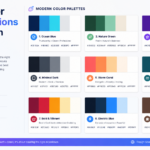
Top 15 Best Color Combinations for Modern Websites
1. Blue and White
Colors:
- Blue (#2563EB)
- White (#FFFFFF)
Why it works
Blue and white create a clean and trustworthy appearance.
Best for
- Corporate websites
- Technology companies
- SaaS platforms
- Educational websites
Advantages
- Professional look
- Easy readability
- Timeless design
2. Black and Gold
Colors:
- Black (#111111)
- Gold (#D4AF37)
Why it works
Black and gold instantly communicate luxury and sophistication.
Best for
- Fashion brands
- Luxury products
- Premium portfolios
Advantages
- High-end appearance
- Elegant branding
- Strong visual impact
3. Dark Blue and Cyan
Colors:
- Dark Blue (#0F172A)
- Cyan (#06B6D4)
Why it works
This combination feels modern and futuristic.
Best for
- Technology startups
- AI companies
- Software businesses
Advantages
- Modern aesthetic
- Excellent contrast
- Professional appearance
4. Purple and Pink
Colors:
- Purple (#7C3AED)
- Pink (#EC4899)
Why it works
Purple and pink create a vibrant and creative design.
Best for
- Creative agencies
- Design portfolios
- Entertainment websites
Advantages
- Eye-catching
- Youthful feel
- Modern style
5. Green and White
Colors:
- Green (#16A34A)
- White (#FFFFFF)
Why it works
Green and white provide a fresh and natural look.
Best for
- Health websites
- Finance platforms
- Environmental organizations
Advantages
- Clean design
- Trustworthy
- Easy to read
6. Navy Blue and Orange
Colors:
- Navy (#1E3A8A)
- Orange (#F97316)
Why it works
Orange adds energy while navy blue provides stability.
Best for
- Business websites
- Marketing agencies
- Service providers
Advantages
- Strong contrast
- Engaging design
- Balanced appearance
7. Dark Gray and Electric Blue
Colors:
- Dark Gray (#1F2937)
- Electric Blue (#3B82F6)
Why it works
This palette feels sleek and modern.
Best for
- Startup websites
- App landing pages
- Technology companies
8. White and Coral
Colors:
- White (#FFFFFF)
- Coral (#FF6B6B)
Why it works
Coral creates warmth without overwhelming users.
Best for
- Lifestyle blogs
- Personal websites
- Travel platforms
9. Black and White
Colors:
- Black (#000000)
- White (#FFFFFF)
Why it works
Minimalism never goes out of style.
Best for
- Portfolio websites
- Photography sites
- Luxury brands
Advantages
- Clean interface
- Excellent readability
- Timeless appearance
10. Teal and Cream
Colors:
- Teal (#0F766E)
- Cream (#FFF7ED)
Why it works
This combination creates a calm and elegant atmosphere.
Best for
- Wellness brands
- Coaching websites
- Educational platforms
11. Indigo and Light Gray
Colors:
- Indigo (#4F46E5)
- Light Gray (#E5E7EB)
Best for
- Online courses
- Corporate websites
- SaaS companies
12. Dark Purple and Neon Green
Colors:
- Purple (#581C87)
- Neon Green (#84CC16)
Best for
- Gaming websites
- Modern startups
- Digital products
13. Brown and Beige
Colors:
- Brown (#78350F)
- Beige (#F5F5DC)
Best for
- Handmade products
- Coffee shops
- Food brands
14. Blue and Yellow
Colors:
- Blue (#2563EB)
- Yellow (#FACC15)
Best for
- Educational websites
- Children’s websites
- Startup companies
15. Charcoal and Mint
Colors:
- Charcoal (#111827)
- Mint (#6EE7B7)
Best for
- Modern agencies
- Portfolios
- Creative businesses
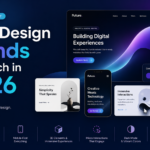
Modern Website Color Trends in 2026
1. Dark Mode Design
Dark mode continues to dominate modern web design.
Popular combinations:
- Black and blue
- Dark gray and green
- Navy and cyan
Benefits:
- Reduced eye strain
- Modern appearance
- Better battery performance
2. Soft Gradients
Gradient backgrounds are becoming increasingly popular.
Examples:
- Purple to pink
- Blue to cyan
- Orange to red
Benefits:
- More visual depth
- Contemporary feel
- Better user engagement
3. Minimal Color Palettes
Many successful websites use only three colors:
- Primary color
- Secondary color
- Accent color
This approach improves consistency and branding.
4. Bold Accent Colors
Modern websites often use neutral backgrounds with bold accent colors for:
- Buttons
- Links
- Call-to-action sections
- Important information
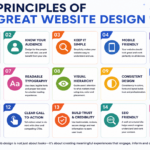
How to Choose the Perfect Website Color Combination
Know Your Audience
Different audiences respond to different colors.
Examples:
- Corporate clients prefer blue and gray.
- Young audiences prefer bright colors.
- Luxury customers prefer black and gold.
Follow the 60-30-10 Rule
A balanced website usually follows:
- 60% primary color
- 30% secondary color
- 10% accent color
This rule creates visual harmony.
Prioritize Readability
Always ensure enough contrast between:
- Text and background
- Buttons and backgrounds
- Links and content
Poor contrast negatively affects accessibility.
Match Your Brand Identity
Your website colors should reflect your brand personality.
For example:
- Finance brands: blue and green
- Creative agencies: purple and pink
- Luxury brands: black and gold
Test Before Launching
Always test your color palette on:
- Desktop
- Tablet
- Mobile devices
Check:
- Readability
- Contrast
- Accessibility
- User experience
Best Tools for Creating Website Color Palettes
Here are some popular tools designers use:
- Adobe Color
- Coolors
- Color Hunt
- Paletton
- Canva Color Palette Generator
These tools help designers generate professional color schemes quickly.
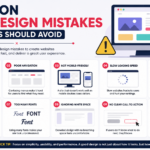
Common Color Mistakes to Avoid
Avoid these common mistakes:
- Using too many colors
- Poor text contrast
- Ignoring accessibility
- Overusing bright colors
- Using trendy colors without strategy
- Inconsistent button colors
- Ignoring brand identity
Keeping your palette simple often leads to better results.
Conclusion
Choosing the right color combination can dramatically improve the appearance and performance of your website. Colors influence emotions, strengthen branding, and guide user actions.
The best modern website color combinations in 2026 include:
- Blue and white
- Black and gold
- Navy and orange
- Purple and pink
- Green and white
- Dark blue and cyan
- Black and white
- Teal and cream
When selecting colors, focus on your audience, brand identity, readability, and accessibility. A thoughtful color strategy will help you create a website that is visually appealing, professional, and highly effective.
Whether you are designing a portfolio, business website, blog, or e-commerce store, the right color palette can make all the difference.
